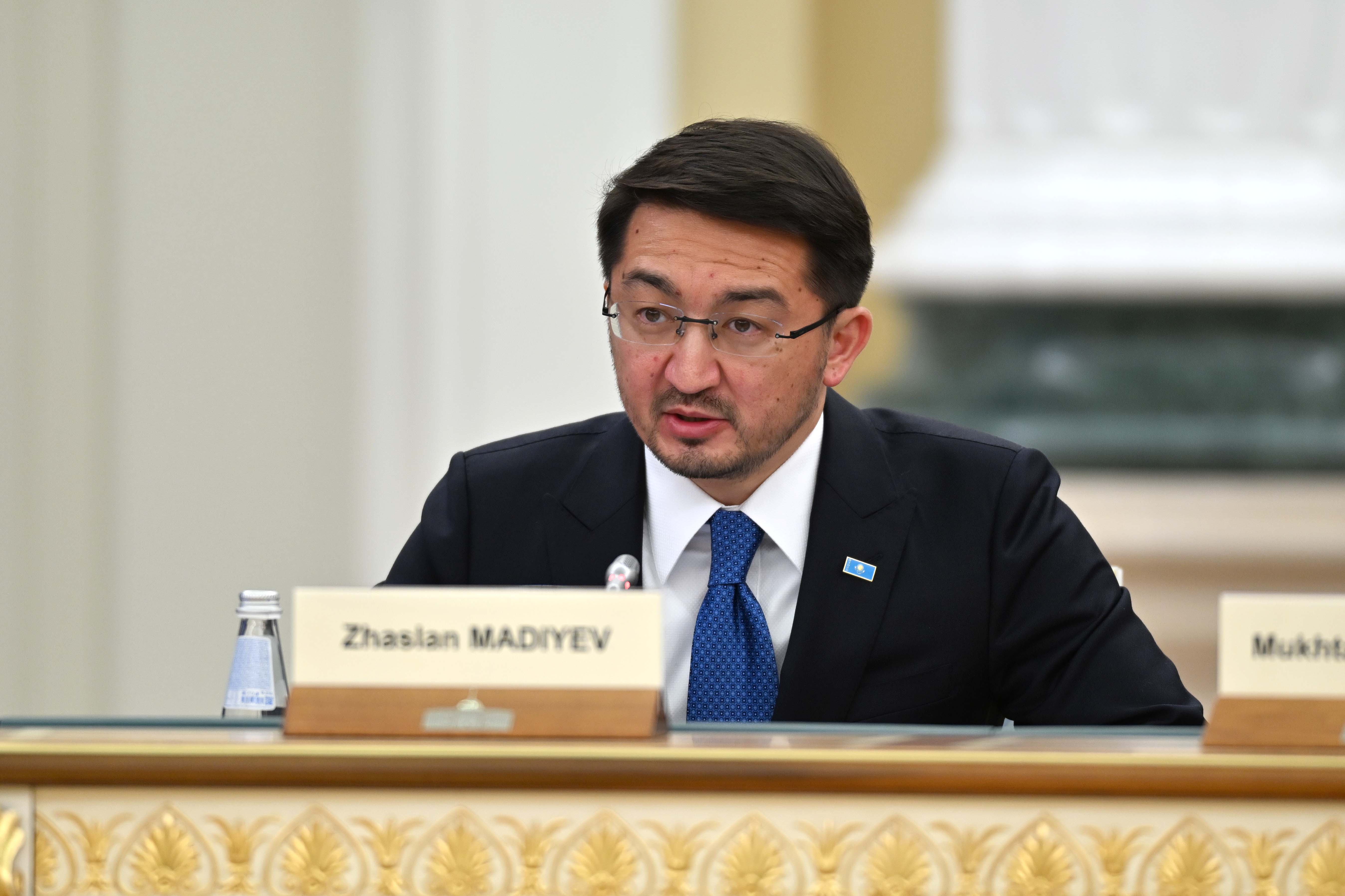
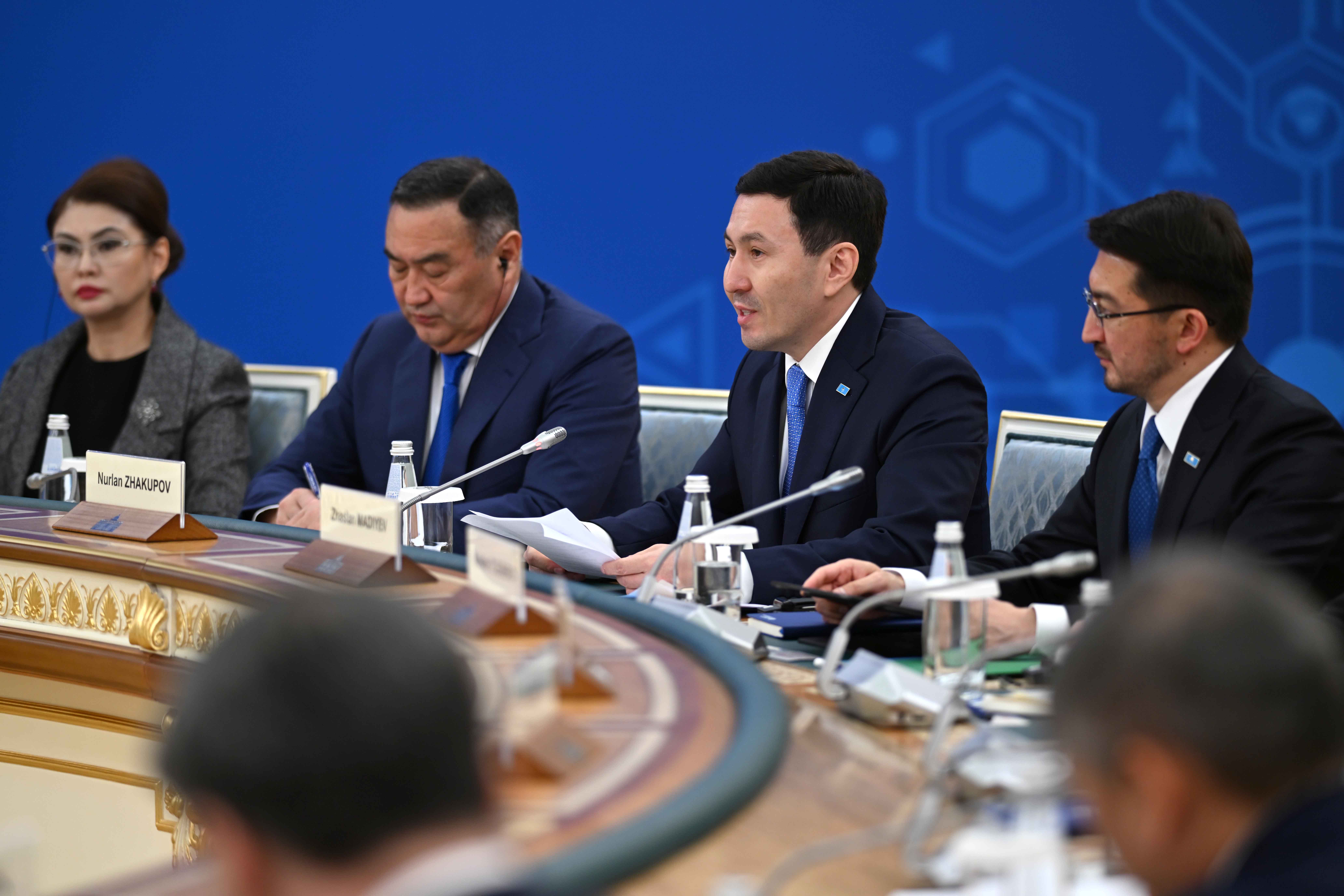
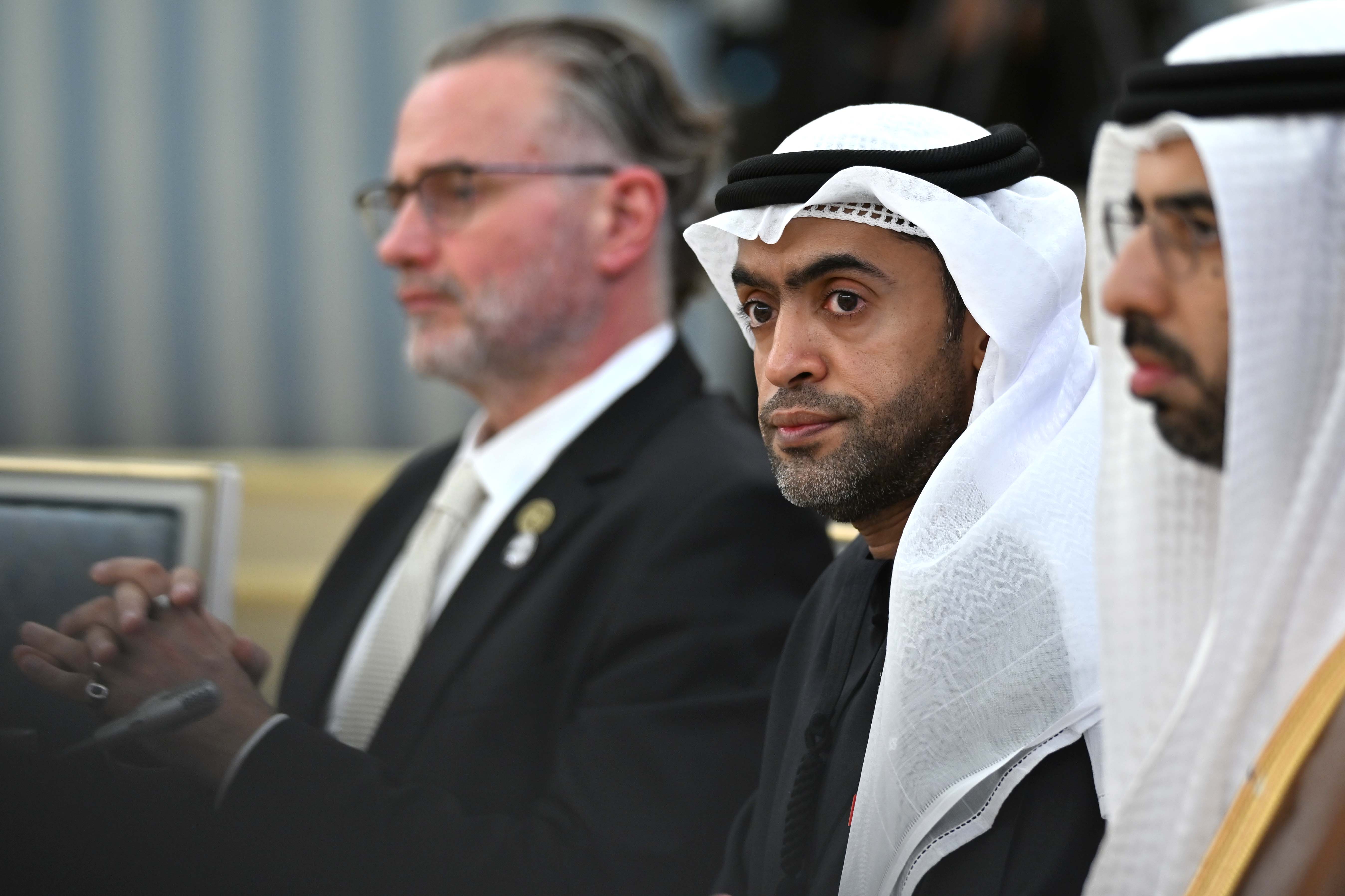
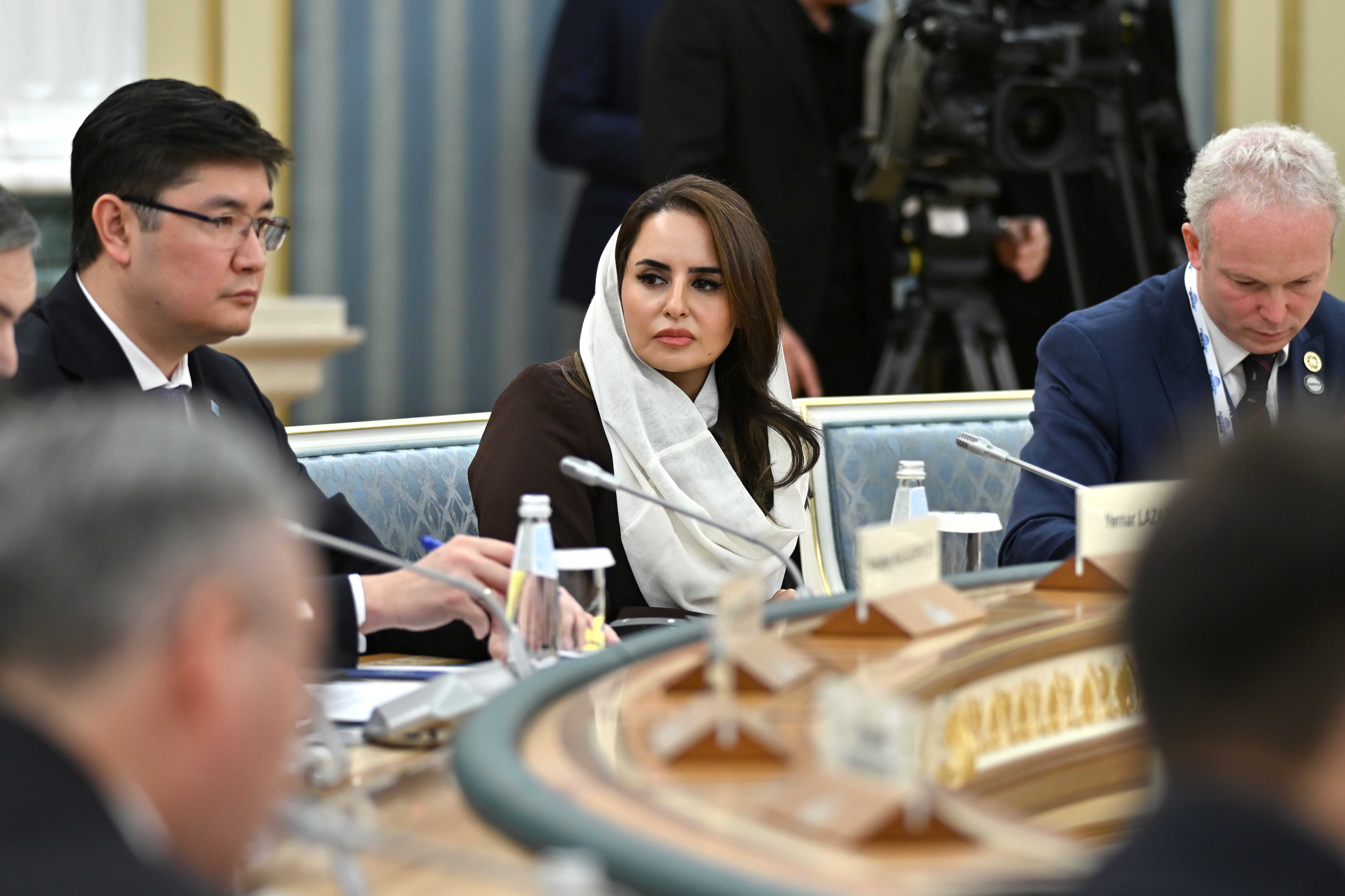
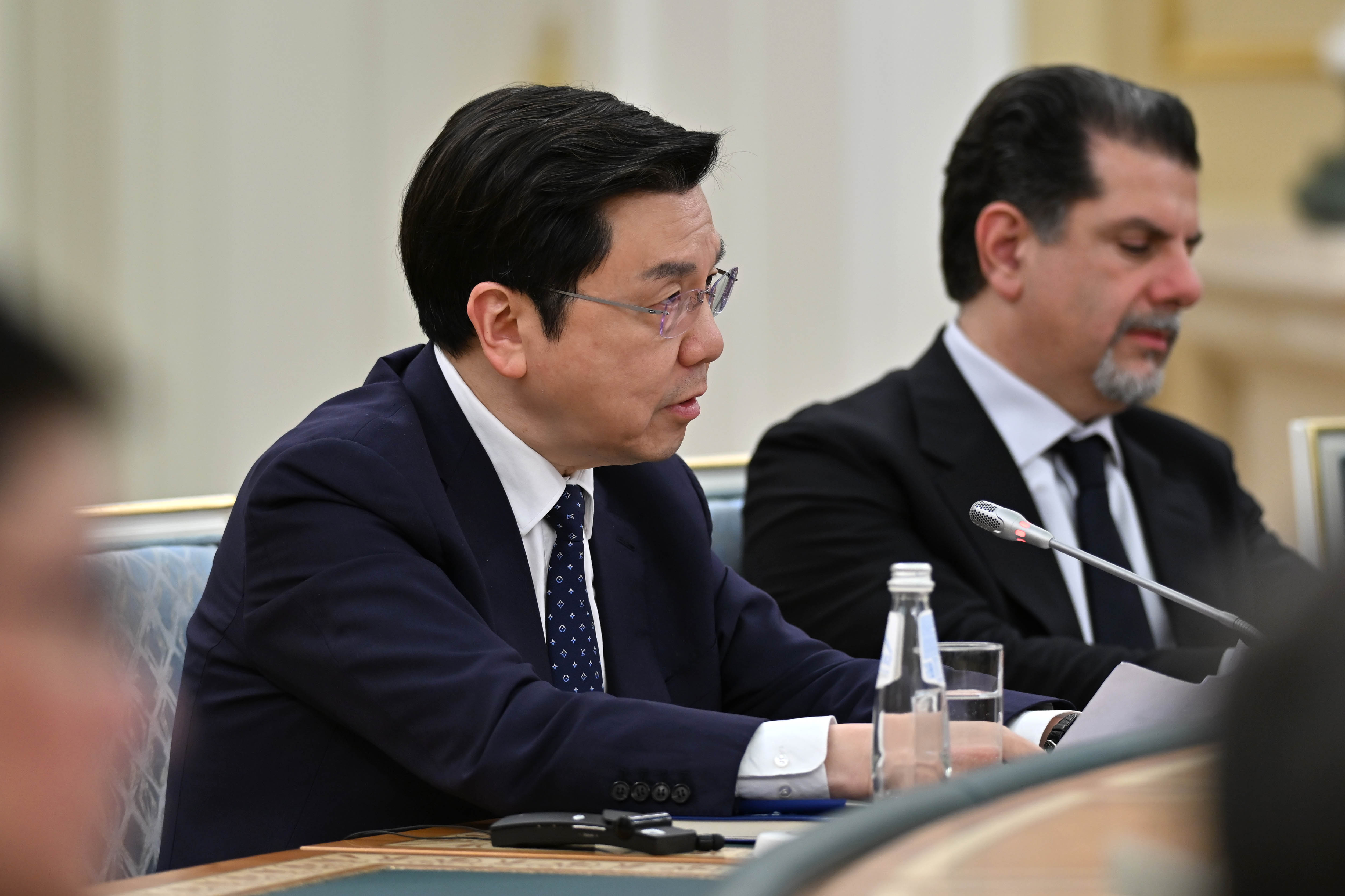
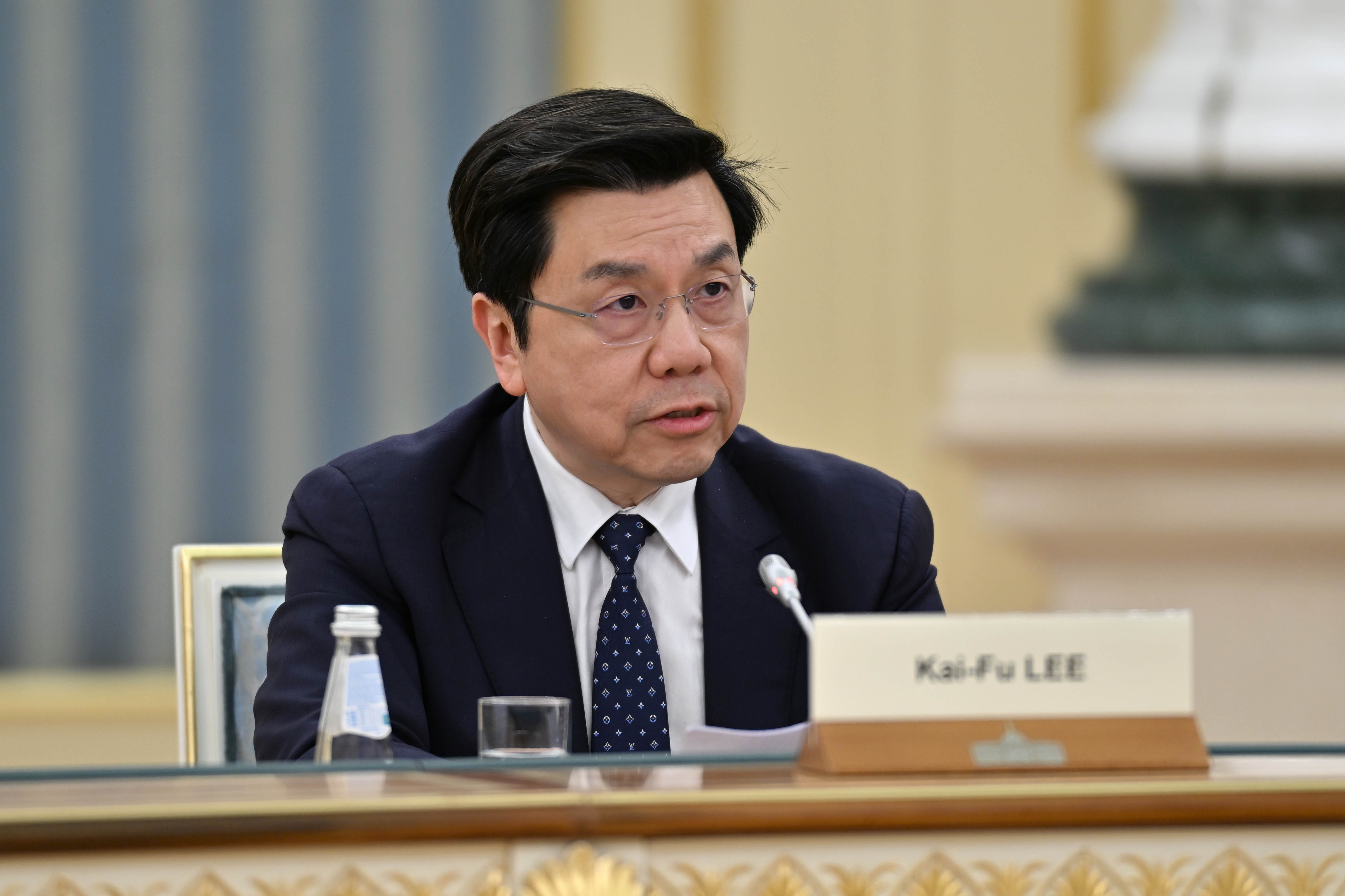
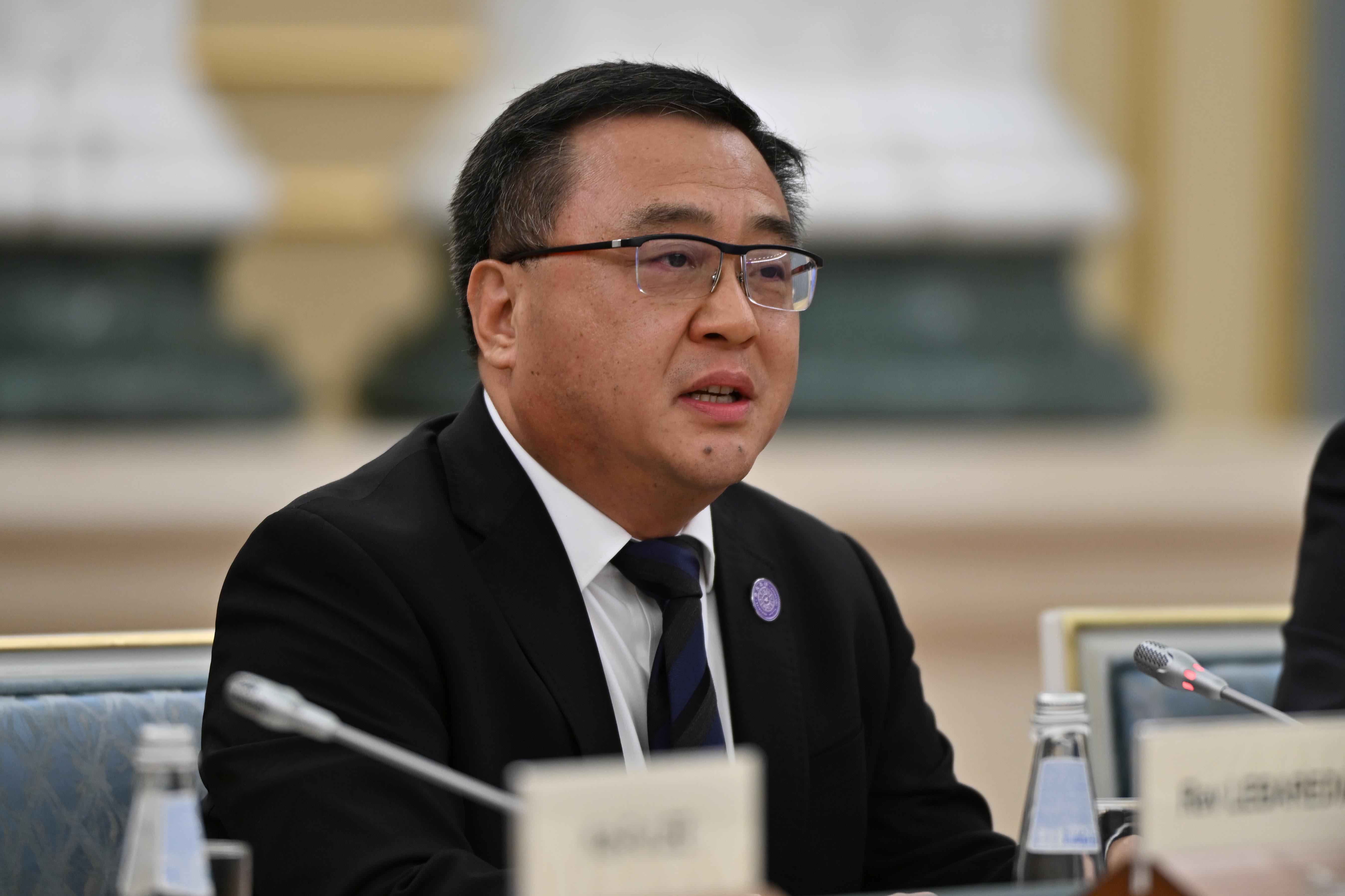
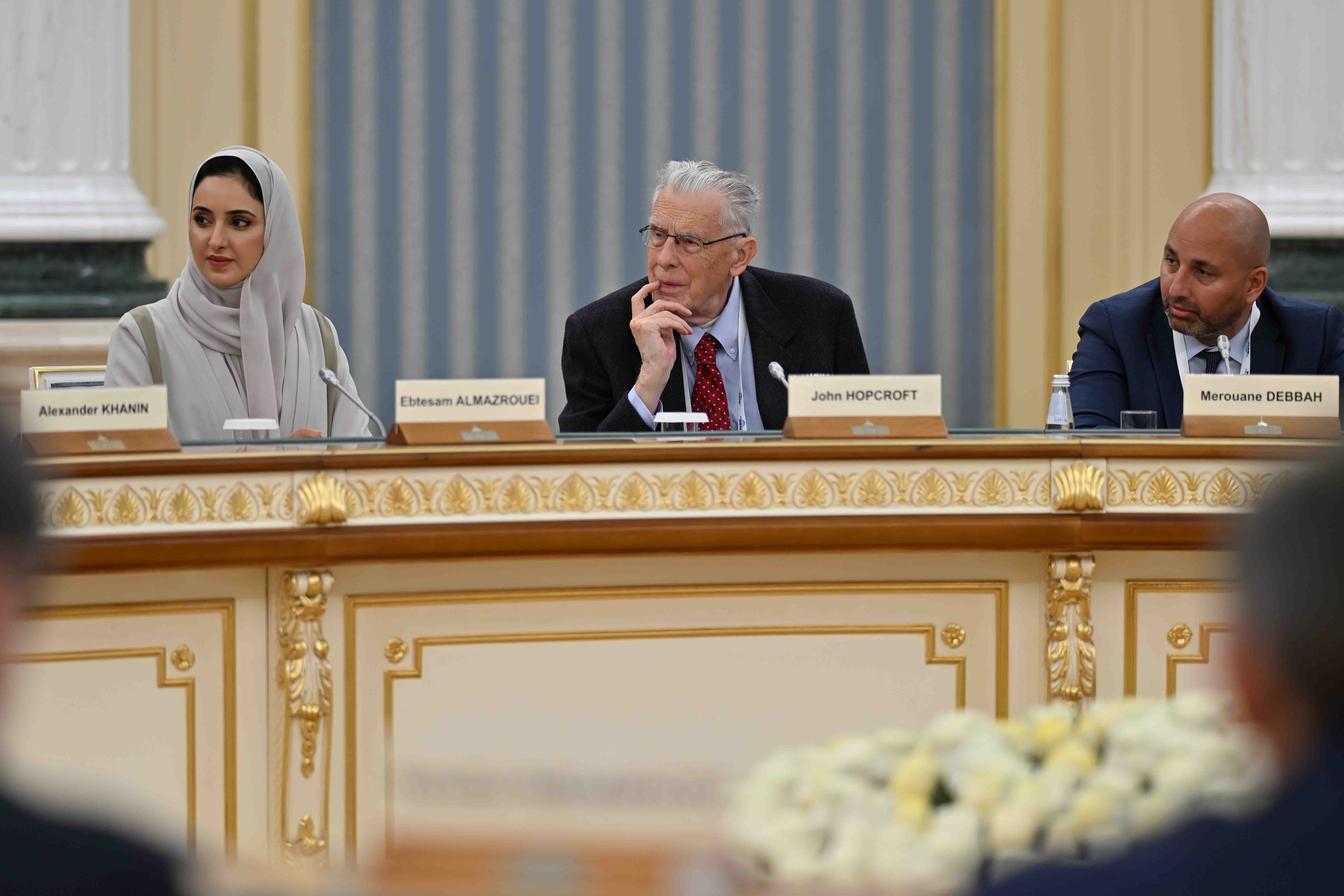
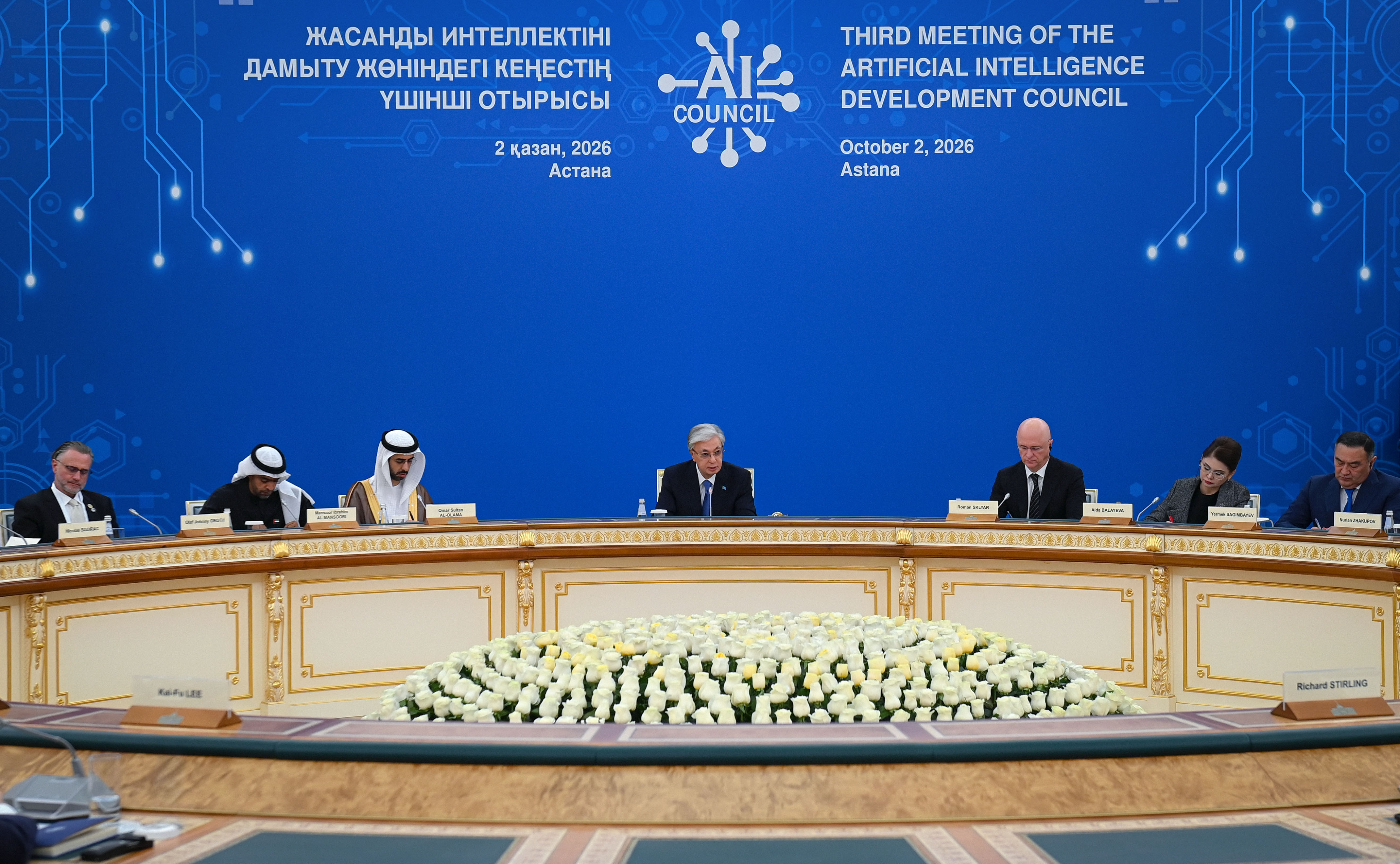
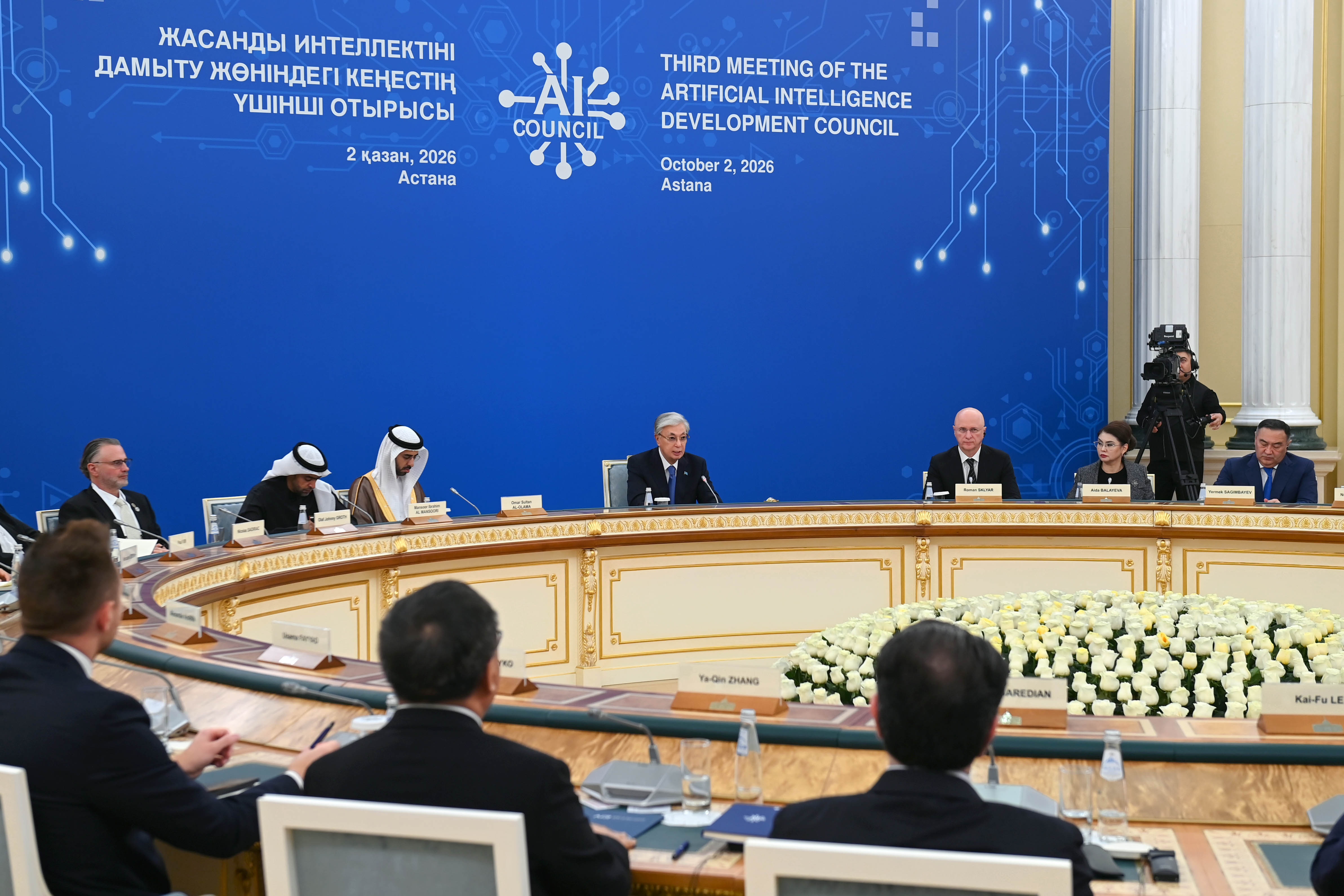
The third meeting of the Artificial Intelligence Development Council was held at the Akorda Presidential Palace under the chairmanship of President Kassym-Jomart Tokayev. The meeting focused on the deep digital transformation of the industrial sector.
In his address, the Head of State emphasized that artificial intelligence is rapidly becoming one of the key drivers of competitiveness in the new digital era.
“According to the 2026 UN Industrial Development Report, AI is recognized as one of five transformative megatrends reshaping the global economic landscape. Over the past five years, AI’s share of all patent applications has nearly tripled, signaling a major tech shift. This proves that global competition extends beyond natural resources, capital and markets. It is defined by the pace at which production efficiency can be improved. Kazakhstan must capitalize on these emerging opportunities without any delay. Our key mission is clear: we must increase productivity, accelerate the tech modernization and expand the domestic production of high value-added goods. Artificial intelligence must become one of the key tools in this endeavor,” said the President.
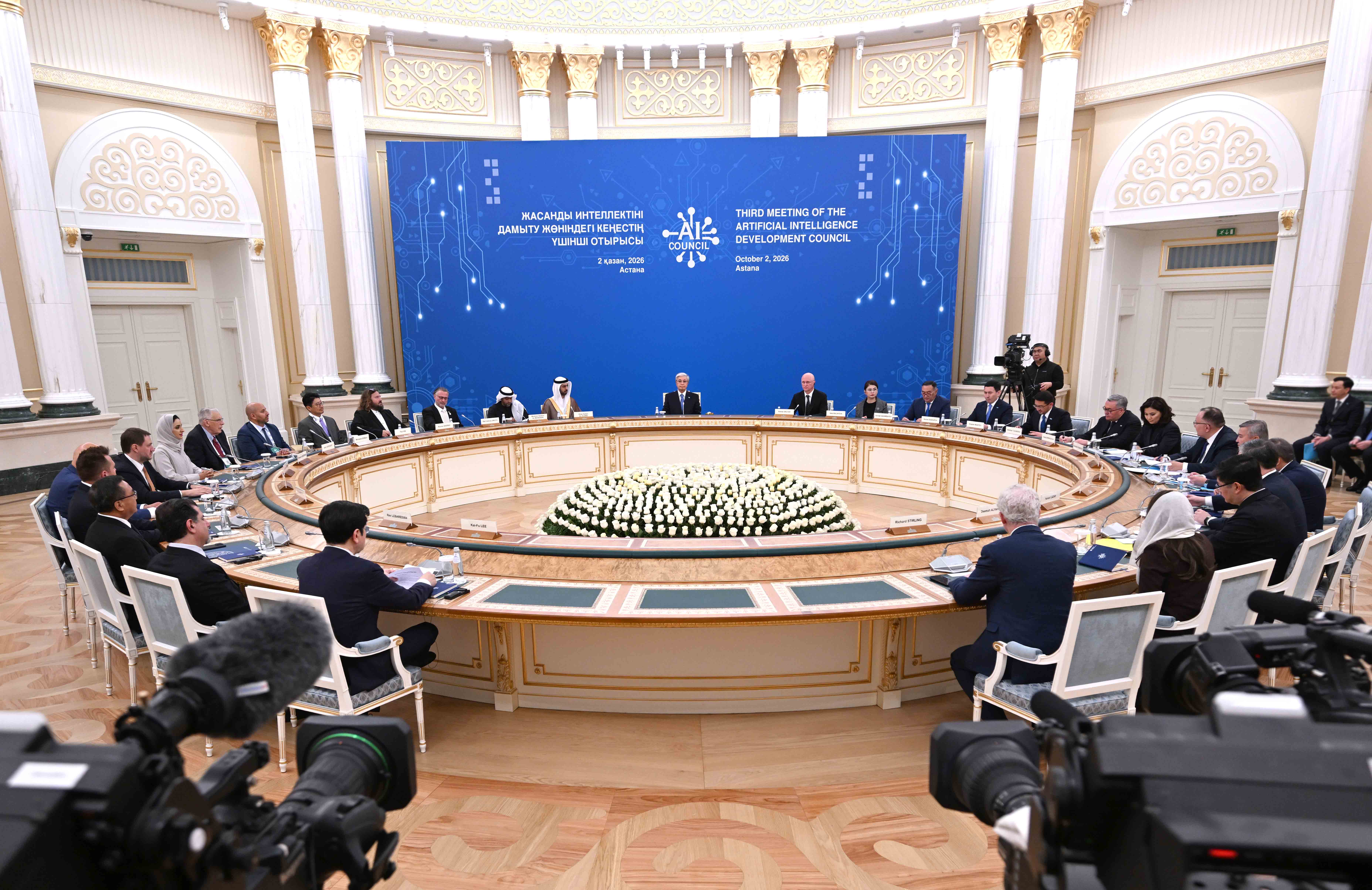
Kassym-Jomart Tokayev noted that, within the framework of the Digital Qazaqstan Strategy through 2029, a comprehensive national artificial intelligence ecosystem is being developed to deliver tangible economic results.
“Over the first eight months of this year, industrial output amounted to approximately 46 trillion tenge. Manufacturing grew by 8.4 percent compared with the same period last year. However, to sustain this positive economic growth, we must boost productivity, modernize our industrial base and expand the production of high value-added goods. Artificial intelligence is key to achieving this. The true value of AI lies in expanding human potential. It enables engineers to make more precise decisions, enhances worker productivity, and provides management with real-time insights for swift and informed action. This is the bedrock principle of building our industrial policy,” the Head of State emphasized.
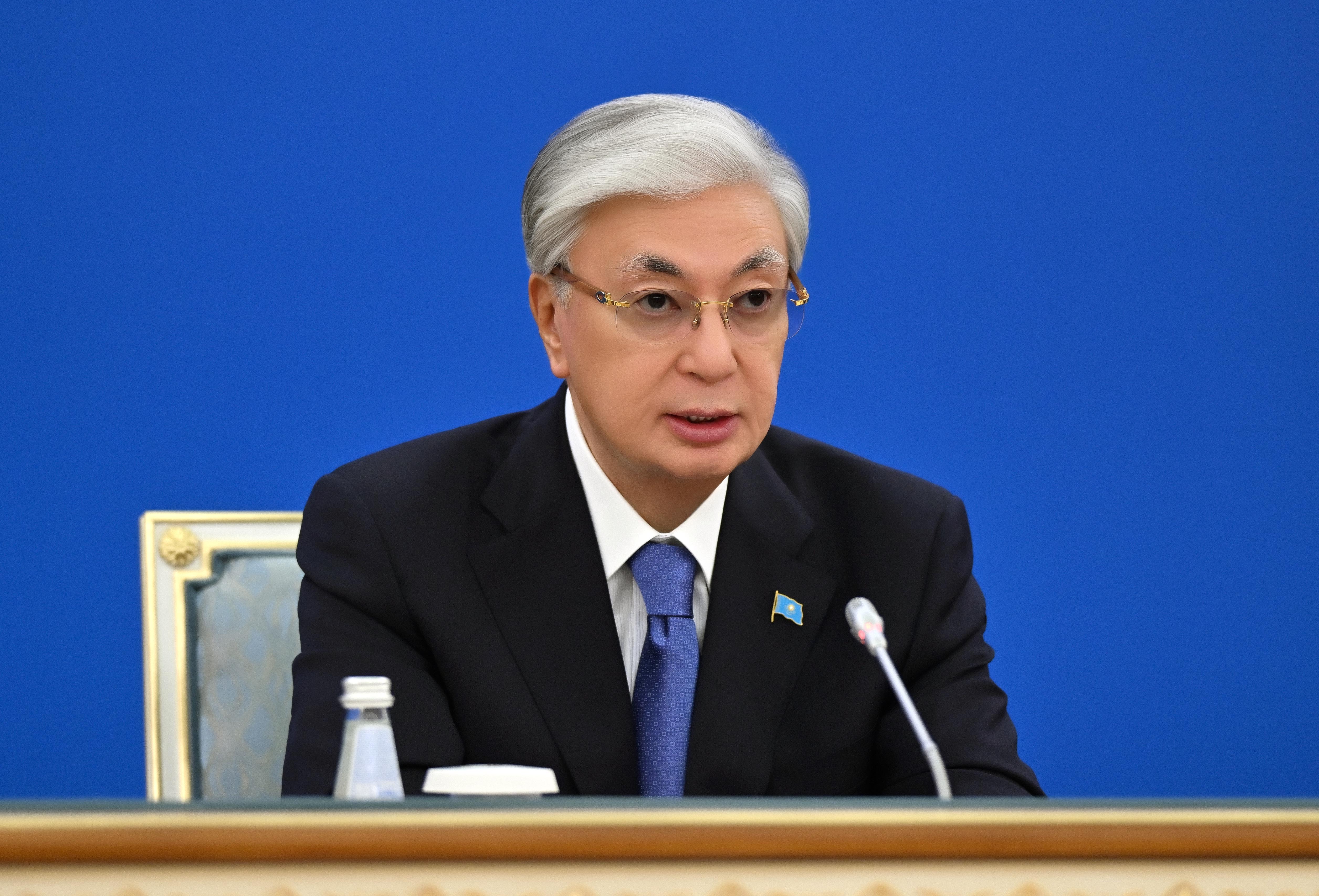
The President then outlined a number of key priorities.
“A comprehensive transformation of production processes using artificial intelligence is needed. At present, digitalization at many enterprises remains fragmented across many enterprises. Even though we are automating individual operations and introducing new services, the production model itself remains largely unchanged. This approach has clearly run its course. Enterprises must take a fresh look at the entire production chain and identify where AI can deliver the greatest efficiency gains. The main criteria must be concrete results. The Government, together with Samruk-Kazyna, should identify enterprises where key business processes will undergo comprehensive transformation based on artificial intelligence. These new technologies must be embedded directly into production management systems. The most successful models should be scaled up across the country,” Kassym-Jomart Tokayev instructed.
The Head of State called for a stronger focus on applied research. He recalled that at the previous meeting of the Council, a decision was made to establish a specialized research university in the field of artificial intelligence.
“Qazaq AI Research University should therefore become not only a center for training highly qualified specialists, but also one of the leading platforms for applied research. Its entire research agenda must be directly tailored to the practical needs of economic development. To do this, we will maintain a live list of industrial AI challenges. Crucially, there should be no bureaucracy in this work. These challenges must be identified directly by the people of the production front lines – engineers, technologists, foremen and operators. They see firsthand where losses occur, where equipment stands idle, where defects arise and where risks emerge. Thus, management will gain a comprehensive view of operational challenges to determine exactly where artificial intelligence can be applied. This list should become a core reference point for Qazaq AI Research University, as well as for other universities and research institutions. It will create a direct link between science and production. The Government, together with national companies and private business, should establish a procedure for identifying and continuously updating relevant industrial AI challenges,” the President said.
Kassym-Jomart Tokayev stressed the importance of promoting industrial DeepTech projects and building strong technology teams. According to him, addressing industrial challenges requires teams that bring together representatives of the scientific community, technology companies and the startup ecosystem.
“The AI Challenge mechanism should also be actively utilized by involving digital nomads and talented young people. Its format should be tailored to the specific nature of each challenge – from open selection of teams and formulation of the problems to validation of the resulting solutions in real production environments. Teams must be granted access to the necessary data, computing resources and production infrastructure, while the customer enterprise should remain involved at every stage of the process. The result must be tested in real production conditions. At the same time, we must recognize that industrial AI and DeepTech projects require significant time and resources, particularly at the early stages when tech risks remain high and commercial viability has yet to be proven. The Government should help reduce these initial risks and create conditions for attracting private capital. Promising projects should then develop primarily on a market basis,” the Head of State noted.
According to the President, the AI-Sana programme should be more closely linked to real industrial challenges so that young talent can gain practical experience in modernizing the economy. The Government was instructed to establish a unified mechanism for addressing AI application challenges in industry – from selecting the appropriate team to testing solutions and assessing their economic impact. He emphasized the importance of creating a clear and efficient mechanism for scaling proven solutions.
“Many promising solutions successfully complete pilot projects, but then stall because of additional approvals, repeated testing, excessive procurement procedures and regulatory restrictions. This delays economic returns for enterprises and limits market opportunities for developers. If a solution has already proven its effectiveness under real production conditions, there must be a clear mechanism for its commercial deployment. There is no need to repeat the full testing cycle at every enterprise where production conditions are comparable. Particular attention should be paid to domestic solutions that have demonstrated their effectiveness. I strongly advise the Government to develop a mechanism for accelerating the transition from a successful industrial pilot to commercial deployment and further scaling. Unnecessary barriers to solutions with proven economic impact must be removed,” Kassym-Jomart Tokayev said.
The Head of State noted that the effective application of artificial intelligence is impossible without access to high-quality industrial data. In his view, enterprises have accumulated significant volumes of production data, but these remain fragmented, vary in quality and are often unsuitable for use in AI systems.
“At the previous meeting of the Council, I spoke about the need to move toward a data-centric model and to develop sector-specific datasets. This work must now be consistently extended to industry. We need sectoral industrial data with common standards for quality, inter-operability and secure use. Domestic researchers and developers should have clear and transparent access. At the same time, commercial secrets, strategic information and critical data must remain properly protected. The Government, together with the business community, should develop common approaches to establishing sectoral industrial data, with a clear focus on their practical use in developing domestic tech solutions,” the President instructed.
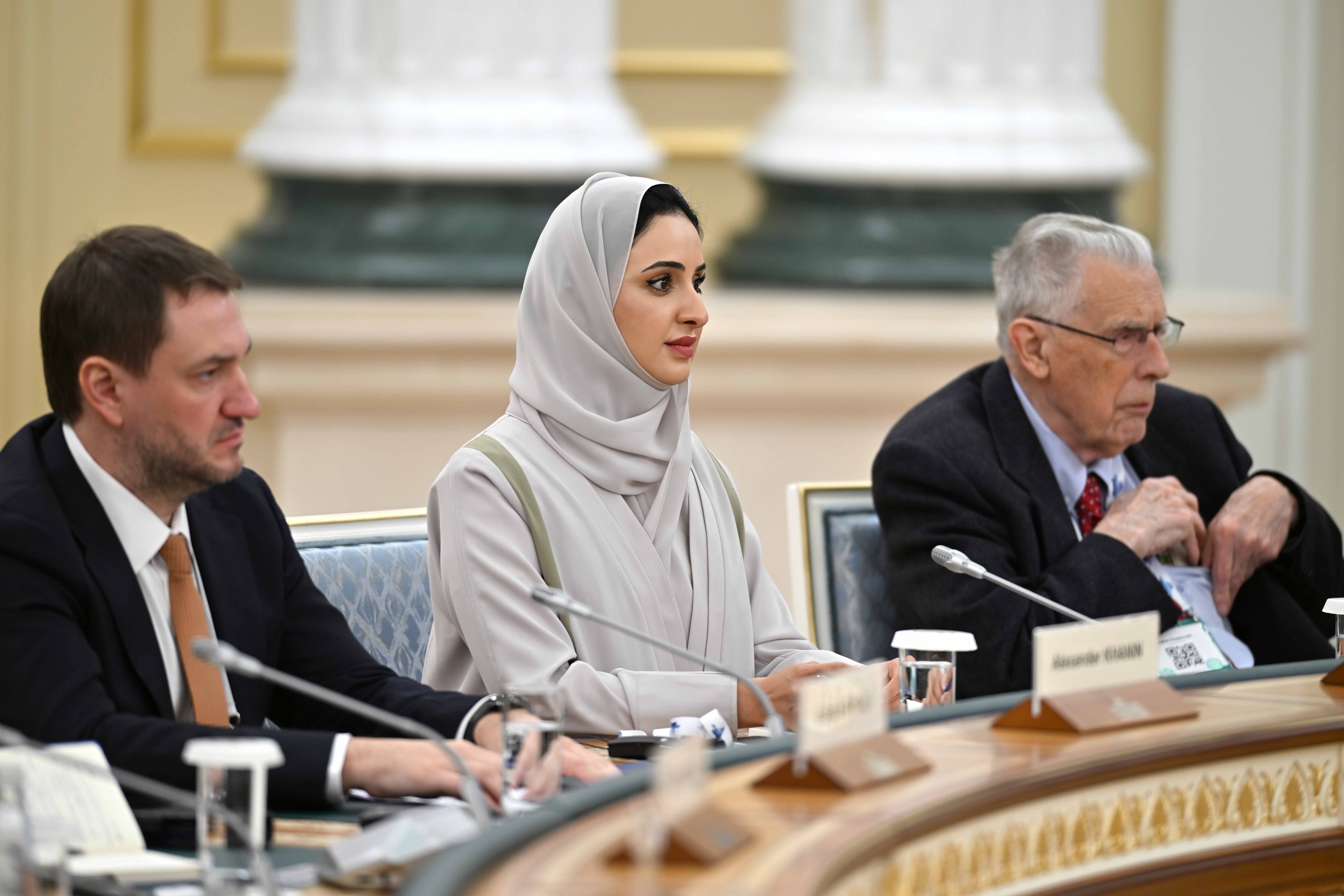
Kassym-Jomart Tokayev emphasized that Kazakhstan has already laid a solid foundation for the development of artificial intelligence. The task now is to turn this potential into tangible economic results.
“Artificial intelligence must become a practical tool for the country’s industrial development. Kazakhstan has all the necessary capabilities. This work must be further deepened in sectors of the greatest strategic importance. In this regard, I propose that the next meeting of the Council be devoted to the introduction of artificial intelligence in the transport and logistics sector. The further transformation of this area will significantly enhance its potential, improve transport and logistics efficiency, and strengthen Kazakhstan’s transit capabilities,” the Head of State said.
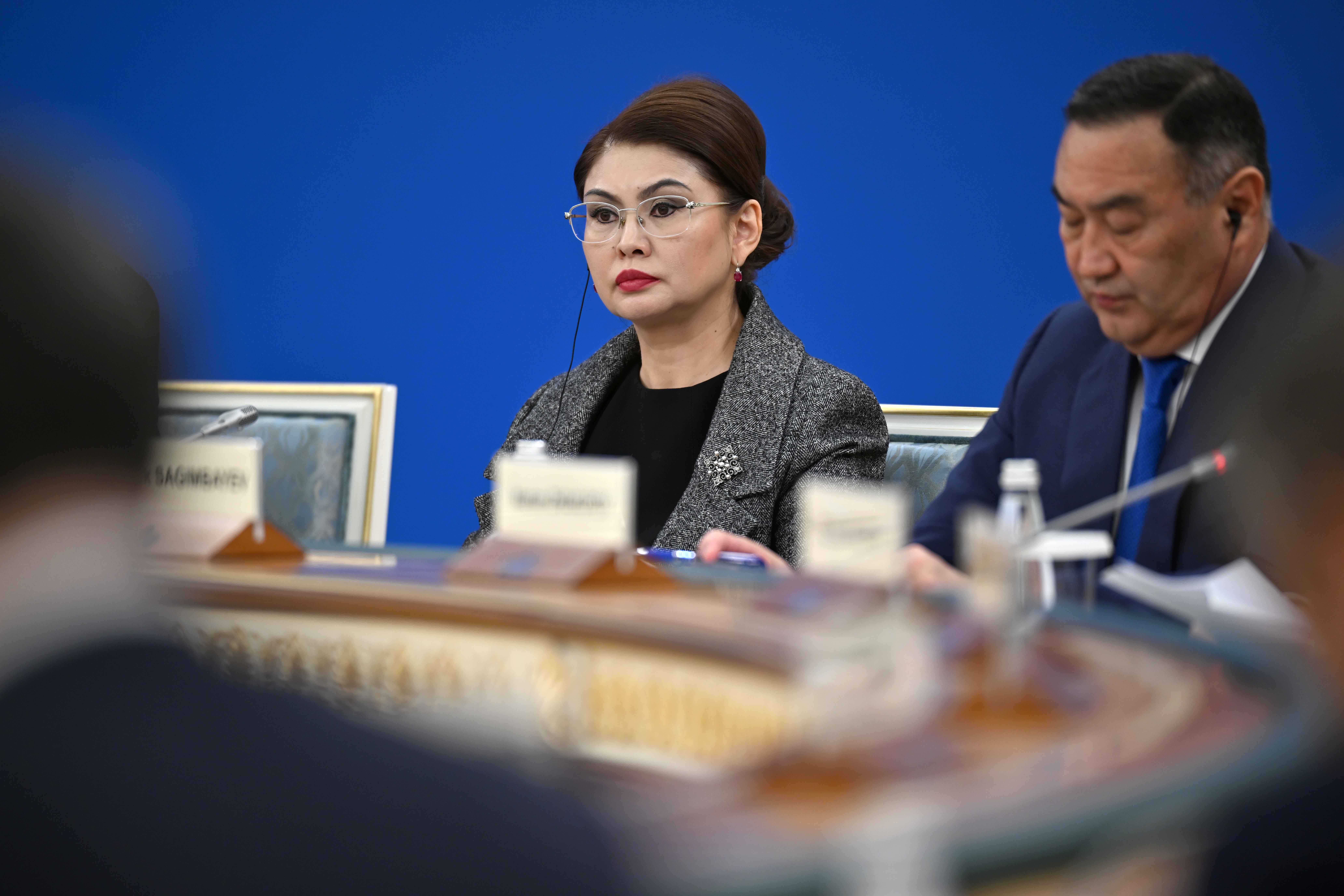
In conclusion, the President raised another issue of strategic importance. According to him, U.S. President Donald Trump and the leaders of major technology companies recently signed a voluntary accord on the safe and responsible development of artificial intelligence technologies.
“I welcome this very important and timely initiative. It reflects the growing understanding that the risks associated with advanced AI go beyond national borders and require coordinated action by states and business. The accord signed in Washington DC could be regarded by all countries involved as a model to be introduced worldwide in AI sector to be eventually passed after serious considerations by experts, and this “Washington Model” may become a core of an International Treaty under the auspices of the UN. Kazakhstan likewise supports the safe and responsible development of artificial intelligence. To this end, we are ready to serve as a platform for substantive international dialogue on these issues. Our Council has already proven its practical value. I therefore ask its members to promptly submit concrete proposals on Kazakhstan’s international initiative in this area. Our common vision will be presented at the G20 Summit in Miami this December,” Kassym-Jomart Tokayev concluded.
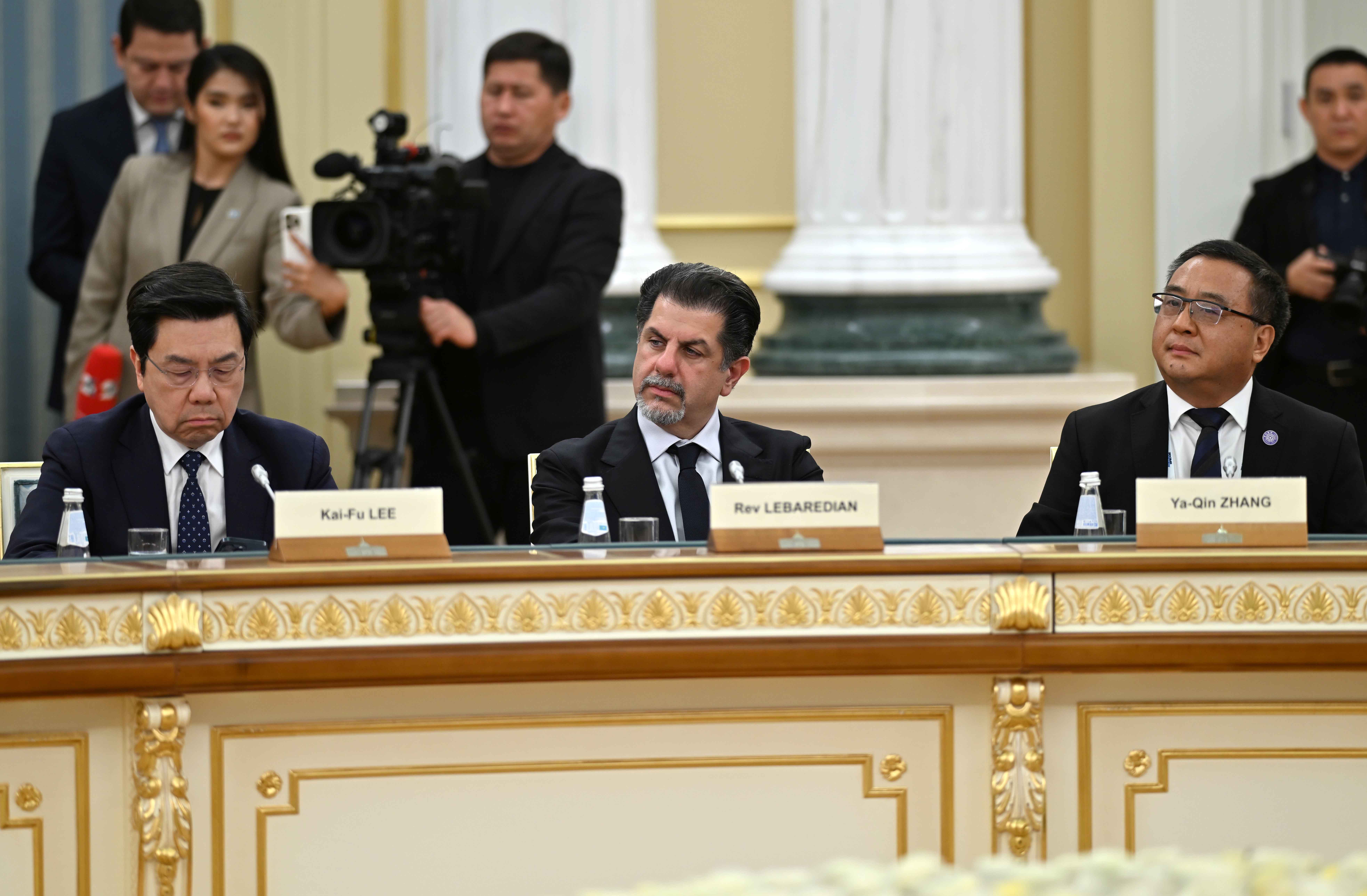
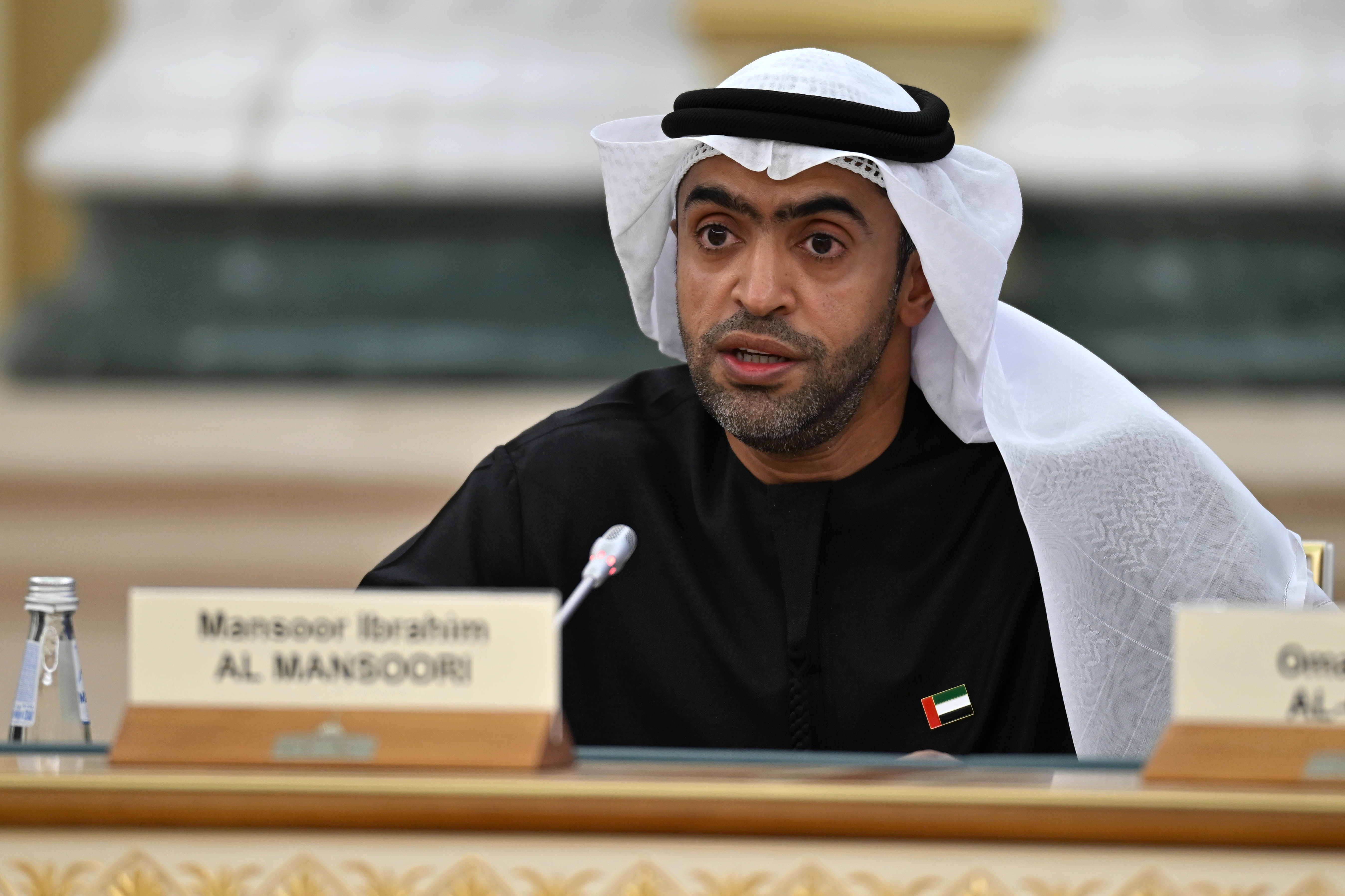
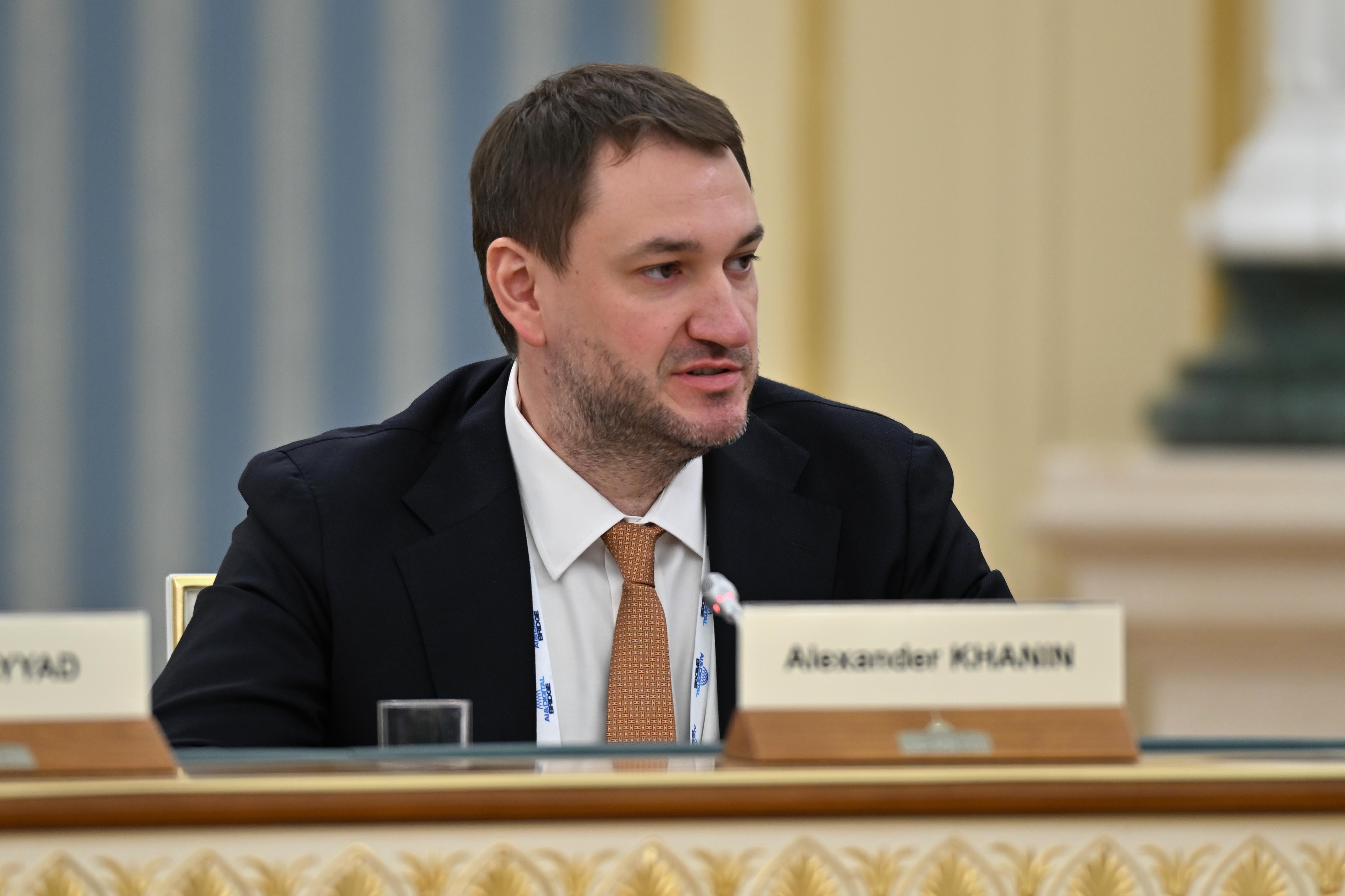
The meeting was also addressed by Deputy Prime minister – Minister of Artificial Intelligence and Digital Development Zhaslan Madiyev; Chairman of the Management Board of Samruk-Kazyna JSC Nurlan Zhakupov; Minister of Industry and Construction Yersaiyn Nagaspayev; CEO of Sinovation Ventures and 01.AI Kai-Fu Lee; Chairman of the Department of Health of the Emirate of Abu Dhabi and CEO of G42 International Mansoor Al Mansoori; founder of Polynome Group Alexander Khanin; and founding Dean of the Institute for AI Industry Research at Tsinghua University Ya-Qin Zhang.